
2026-06-02
Modern industrial manufacturing relies heavily on high‑strength, precision‑shaped metal components that balance durability, flexibility, and cost efficiency. Advanced sheet metal forming processes used to produce Sheet Metal Tensile Parts transform flat metal sheets into structured, load‑bearing parts with consistent dimensions and stable mechanical properties. Professional processing technology ensures tight tolerances, complex shape realization, and mass production stability to meet strict industry standards. Reliable structural performance, wide material adaptability, and long service life make these high-performance components widely applied in automotive, aerospace, construction, and equipment manufacturing fields.
Modern industrial assembly and equipment manufacturing demand components that combine high structural strength, precise dimensions, and stable consistency. Sheet Metal Tensile Parts are produced through professional stretching and forming processes, which endow metal sheets with improved mechanical properties and unified specifications to support reliable performance in various working conditions.
From daily hardware accessories to core automotive components and aerospace equipment, stretched and formed metal parts provide stable support, connection, and load-bearing functions. Compared with castings or machined parts, they feature lighter weight, higher material utilization, and more controllable production efficiency, making them a preferred choice for modern industrial design.
The continuous development of sheet metal processing technology has further improved the accuracy and stability of formed parts, enabling them to adapt to complex structures and harsh environments. With standardized production and customized design capabilities, these components have become essential parts in the upgrading of intelligent manufacturing.
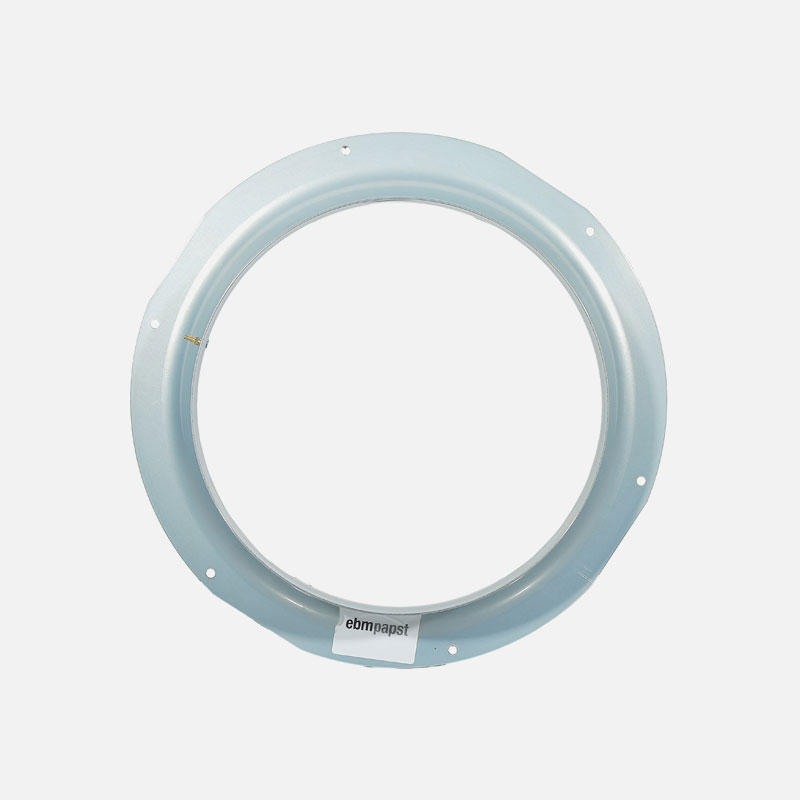
The production of high-performance formed metal components relies on mature stretching, stamping, and bending processes, supported by precision molds and automated equipment.
During the stretching process, the metal material undergoes plastic deformation under controlled stress, which increases its length and reduces its width while improving structural strength and fatigue resistance. The entire process is completed at room temperature or controlled temperature, avoiding material defects caused by overheating and ensuring stable performance.
Advanced processing equipment can real‑time monitor pressure, speed, and deformation to ensure consistency between each product and design drawings. This high level of controllability makes mass production possible while maintaining high precision standards.
The selection of raw materials directly determines the strength, corrosion resistance, and service life of formed metal components. Manufacturers usually choose materials according to application scenarios, load conditions, and environmental requirements.
Professional manufacturers will select the most suitable materials and thickness according to customer needs, ensuring performance while controlling costs. Material compatibility with the stretching process is also a key factor to avoid cracks or deformation defects.
Excellent strength, flexible structure, and reliable stability make professional formed metal components widely used in many key industries. Sheet Metal Tensile Parts can be designed into brackets, hinges, clamps, connectors, and structural shells to meet different assembly and functional requirements.
Automobile manufacturing requires a large number of high-precision connectors, brackets, and fixed parts. Formed metal parts provide stable support for engines, chassis, and interior parts with light weight and high strength, helping to improve vehicle safety and energy efficiency.
In aerospace equipment, weight reduction and strength are critical indicators. High‑quality aluminum alloy and stainless steel formed parts provide reliable structural support for aircraft components and satellite equipment with strict dimensional control.
Construction machinery, elevator equipment, and structural hardware use a large number of formed metal parts. Their high rigidity and durability ensure long‑term stable operation under heavy load and outdoor conditions.
Home appliances, electronic equipment, machinery tools, and daily hardware all rely on standardized formed metal components. Mass production efficiency and stable quality make them the first choice for assembly lines.
Compared with casting, forging, and CNC machining, sheet metal stretching forming has obvious comprehensive advantages, which is why it is widely used in modern industry.
These advantages make formed metal components more competitive in both performance and cost. Especially in large‑scale industrial production, they can significantly improve efficiency and reduce overall project costs.
With the upgrading of manufacturing, the demand for lightweight and high‑precision components is increasing, further expanding the application scope of high‑performance formed parts.
High‑quality formed metal components must undergo complete quality control from raw materials to finished products, including incoming inspection, process monitoring, and finished product testing.
Professional manufacturers establish complete quality management systems to ensure each batch of products meets industry standards and customer requirements. Stable quality control is the key to ensuring long‑term reliable use of formed parts.
Jiaxing Metal Technology Co., Ltd. focuses on the R&D and production of precision formed metal components, with advanced production lines and strict quality control systems to provide customers with high‑stability products and customized solutions.
Strict quality control ensures the stable performance of Sheet Metal Tensile Parts in various industrial scenarios, reducing failure rates and extending service life.
A: Cold‑rolled steel, stainless steel, aluminum alloy, copper alloy and other materials with good ductility are all suitable.
A: High‑precision products can reach ±0.05mm to ±0.1mm, meeting most industrial assembly requirements.
A: Yes, professional molds and processes can realize diversified complex shapes and structures.
A: Professional manufacturers support OEM & ODM customized services according to drawings and needs.
A: Spraying, electroplating, polishing, passivation and other treatments can be selected to improve corrosion resistance and appearance.
More and more industrial customers choose high‑quality Sheet Metal Tensile Parts to improve product stability and reduce comprehensive use costs.
As a key component in modern industrial manufacturing, formed metal parts provide reliable structural support for various equipment with high strength, high precision, and high stability.
Advanced stretching forming technology improves material performance while achieving efficient mass production, making it an irreplaceable process in automotive, aerospace, construction, and general manufacturing.
Choosing high‑quality Sheet Metal Tensile Parts helps improve product quality, reduce failure rates, and enhance overall market competitiveness.
With the continuous development of intelligent manufacturing, the demand for high‑precision formed metal components will continue to grow, bringing broader space for the industry.
Stable quality, reasonable cost, and customized services will always be the core advantages of professional formed metal component suppliers.
Zhejiang Factory:
No. 508, DongHai Avenue, Haiyan County, Jiaxing City, Zhejiang Province
Tel :
Mobile :
Shanghai Factory:
No. 318-9-10 HaoHai Rd, SongJiang, Shanghai
Tel :
Mobile :
E-mail :
Stay In Touch
Get the latest on sales, new releases and more!


